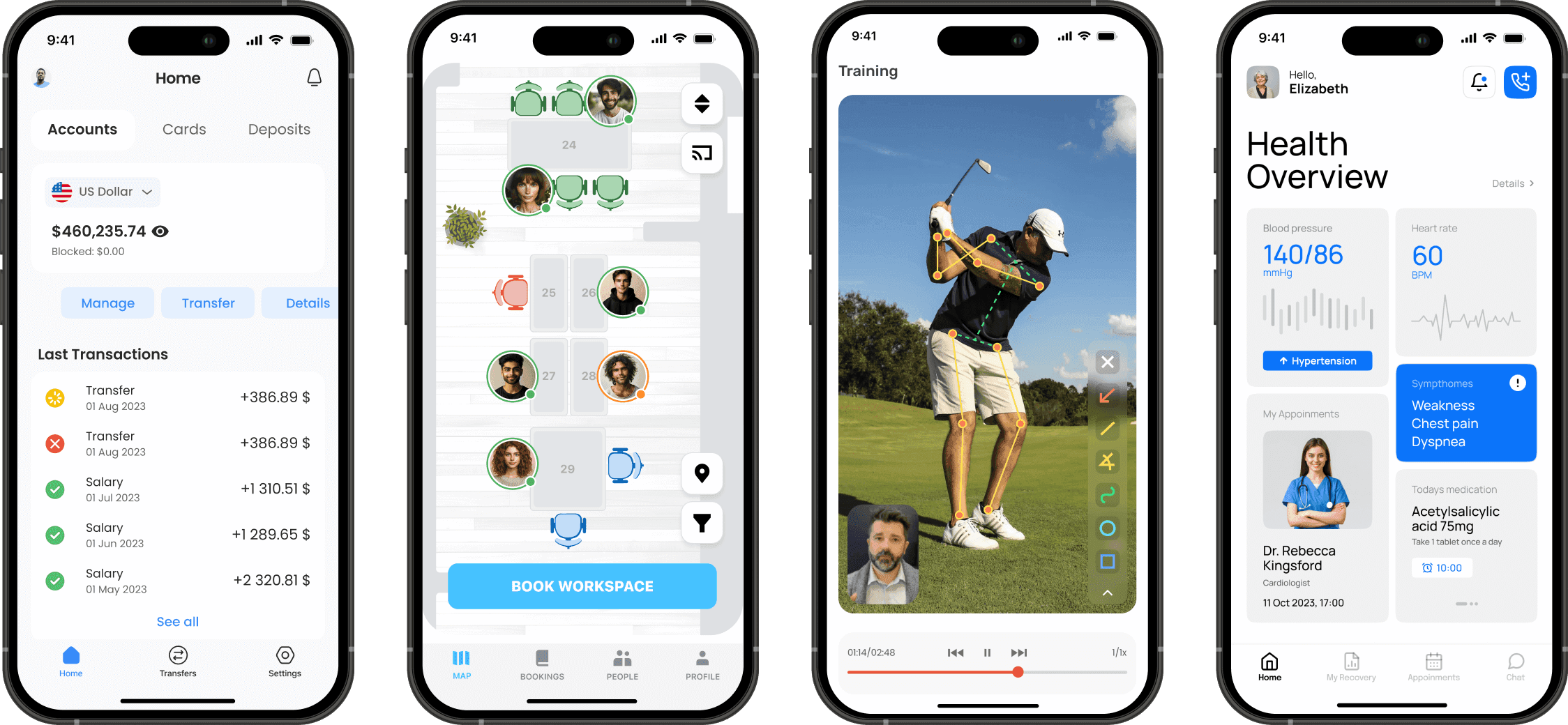
 In today’s competitive digital landscape, businesses are increasingly investing in custom iOS app development to deliver tailored user experiences, boost engagement, and achieve long-term scalability. Off-the-shelf solutions may offer quick deployment, but they rarely meet the unique needs of modern businesses aiming for performance, security, and innovation.
A high-performance iOS app is more than just a sleek interface, it’s a combination of speed, functionality, scalability, and user-centric design. Whether you’re a startup or an enterprise, understanding the essential features of a powerful custom iOS app can help you make smarter development decisions and better estimate the hire mobile app developers cost.
Let’s explore the key features that define a high-performing custom iOS application.
1. Intuitive and User-Centric UI/UX Design
The success of any iOS app starts with its design. Apple users expect clean, elegant, and intuitive interfaces that align with Apple’s Human Interface Guidelines.
Why it matters:
- Enhances user engagement and retention
- Reduces bounce rates
- Improves overall app usability
Key elements:
- Minimalistic design with clear navigation
- Responsive layouts for different screen sizes
- Consistent typography and color schemes
- Smooth animations and transitions
A well-designed UI/UX ensures that users can accomplish their goals quickly without confusion, which directly impacts app performance and success.
2. High-Speed Performance and Optimization
Performance is a critical factor in user satisfaction. Slow apps lead to high uninstall rates and negative reviews.
Optimization techniques:
- Efficient memory management
- Lazy loading for content-heavy screens
- Code optimization and clean architecture
- Background task handling
Benefits:
- Faster load times
- Smooth navigation
- Reduced crashes
When investing in custom iOS app development, performance optimization should be a top priority to ensure seamless user experiences.
3. Robust Security Features
Security is non-negotiable, especially when dealing with sensitive user data such as personal information, financial transactions, or login credentials.
Essential security measures:
- End-to-end encryption
- Secure API communication (HTTPS/SSL)
- Biometric authentication (Face ID/Touch ID)
- Data protection and secure storage
- Regular security updates
Why it’s important:
- Builds user trust
- Prevents data breaches
- Ensures compliance with regulations
A secure app not only protects users but also strengthens your brand reputation.
4. Scalability and Future-Readiness
A high-performance app should be built with scalability in mind. As your user base grows, your app must handle increased traffic without compromising performance.
Key considerations:
- Modular architecture
- Cloud integration
- Scalable backend infrastructure
- API-first development
Benefits:
- Supports business growth
- Reduces long-term development costs
- Enables easy feature expansion
Scalability is especially important when evaluating the hire mobile app developers cost, as investing in scalable architecture upfront can save significant expenses later.
5. Seamless Integration Capabilities
Modern apps rarely operate in isolation. They need to integrate with third-party services and tools.
Common integrations:
- Payment gateways
- Social media platforms
- CRM and ERP systems
- Analytics tools
- Push notification services
Why it matters:
- Enhances functionality
- Improves user experience
- Streamlines business operations
A well-integrated app ensures smooth data flow and a cohesive digital ecosystem.
6. Offline Functionality
Users don’t always have access to a stable internet connection. Providing offline capabilities can significantly enhance user experience.
Features to include:
- Local data storage
- Sync functionality when online
- Offline content access
Benefits:
- Improved usability in low-network areas
- Increased user retention
- Enhanced reliability
Offline functionality is a hallmark of a well-thought-out custom app.
7. Advanced Analytics and User Insights
Understanding user behavior is key to improving your app and making data-driven decisions.
Key analytics features:
- User engagement tracking
- Session duration monitoring
- Conversion rate analysis
- Heatmaps and behavior flow
Benefits:
- Identifies areas for improvement
- Enhances user experience
- Supports business strategy
Analytics tools help you continuously optimize your app for better performance.
8. Push Notifications and Real-Time Updates
Push notifications are a powerful tool for user engagement when used correctly.
Best practices:
- Personalize notifications
- Avoid overloading users
- Use behavioral triggers
- Provide real-time updates
Use cases:
- Order updates
- Promotions and offers
- Reminders
Effective push notifications can significantly boost user retention and engagement.
9. Cross-Device Compatibility
A high-performance iOS app should work seamlessly across all Apple devices.
Devices to consider:
- iPhone
- iPad
- Apple Watch
Key features:
- Adaptive layouts
- Device-specific optimizations
- Consistent performance
Ensuring compatibility across devices enhances accessibility and broadens your user base.
10. Regular Updates and Maintenance
Launching the app is just the beginning. Continuous updates are essential to maintain performance and relevance.
Maintenance includes:
- Bug fixes
- Performance improvements
- Feature enhancements
- OS compatibility updates
Benefits:
- Keeps users engaged
- Prevents crashes and issues
- Ensures long-term success
Ongoing maintenance should be factored into your hire mobile app developers cost to avoid unexpected expenses.
11. Custom Backend and API Management
A strong backend is the backbone of any high-performance app.
Key features:
- Secure and scalable server architecture
- Efficient database management
- Custom APIs for flexibility
Benefits:
- Faster data processing
- Improved app performance
- Greater control over features
Custom backend development ensures your app can handle complex functionalities efficiently.
12. Accessibility and Inclusivity
A truly high-performing app is one that is accessible to all users, including those with disabilities.
Accessibility features:
- VoiceOver support
- Dynamic text sizing
- High-contrast UI
- Assistive touch compatibility
Why it matters:
- Expands user reach
- Enhances user experience
- Complies with accessibility standards
Accessibility is not just a feature, it’s a necessity in modern app development.
13. Efficient Battery and Resource Usage
Users expect apps to perform well without draining their device battery.
Optimization strategies:
- Minimize background processes
- Optimize network usage
- Efficient coding practices
Benefits:
- Longer app usage
- Better user satisfaction
- Improved device performance
Battery efficiency is often overlooked but plays a crucial role in app success.
14. Personalization and AI Capabilities
Personalized experiences can significantly enhance user engagement.
Features to include:
- AI-driven recommendations
- User preference tracking
- Customized content
Benefits:
- Increased user retention
- Higher engagement rates
- Improved customer satisfaction
Personalization adds a competitive edge to your custom iOS app.
15. Strong Testing and Quality Assurance
A high-performance app must be thoroughly tested before launch.
Testing types:
- Functional testing
- Performance testing
- Security testing
- Usability testing
Benefits:
- Reduces bugs and crashes
- Ensures smooth performance
- Enhances user trust
Quality assurance is essential to deliver a flawless user experience.
Conclusion
Building a high-performance iOS app requires more than just coding, it demands strategic planning, user-focused design, and robust technical architecture. From intuitive UI/UX and strong security to scalability and advanced analytics, each feature plays a vital role in ensuring your app stands out in a crowded marketplace.
Investing in custom iOS app development allows businesses to create tailored solutions that meet their unique needs while delivering exceptional user experiences. However, it’s equally important to carefully evaluate the hire mobile app developers cost, ensuring you balance quality, expertise, and budget.
By focusing on these key features, you can build a powerful, future-ready iOS app that not only meets user expectations but also drives long-term business success.