Buying a water filter sounds simple at first. You pick one, install it under the sink, and expect cleaner water. Once you start looking at different fluoride filters, though, it’s easy to feel lost. Every brand promises clean water, but not all of them actually remove fluoride properly.
If you are trying to choose the right under sink water filter that actually removes fluoride, the best thing you can do is focus on a few important features instead of getting distracted by marketing.
Here’s what actually matters when buying one for your home.
Look for these Features in an Under Sink FLuoride Water Filter
Make Sure It Removes Fluoride
This is the first thing to check because not every water filter removes fluoride properly. A lot of basic carbon filters are great for improving taste and reducing chlorine, but fluoride is much harder to filter out. Many people buy a standard under sink filter thinking it will handle everything, only to realize later that fluoride is still present.
When reading product details, look for a clear mention of fluoride reduction or fluoride removal. If fluoride is not listed specifically, the filter probably is not designed for it. Reverse osmosis systems are usually the most effective option for fluoride removal in homes. These systems use a very fine membrane that blocks fluoride along with other contaminants.
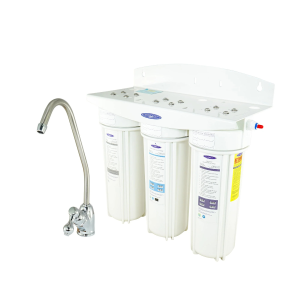
Check for Certified Testing
One thing experienced buyers always pay attention to is product certification. A company can advertise anything online, but certifications show the filter has actually been tested. Think of it like buying a child’s car seat. You would want proof that it passed safety testing instead of only trusting the packaging.
Similarly, a certified filter gives more confidence that the system performs the way the manufacturer claims.
Reverse Osmosis Is Often the Best Option
If fluoride removal is your main goal, reverse osmosis systems are usually the safest choice. These filters do more than improve taste. They can also reduce substances like lead, arsenic, chlorine, and nitrates. That is one reason many families prefer them for daily drinking water.
Most reverse osmosis systems use multiple filtration stages. Water first passes through pre-filters before reaching the main membrane. Some systems also include a final polishing filter to improve flavour. Many homeowners notice the water tastes cleaner almost immediately after installation.
Look at Filter Replacement Costs
People often focus only on the purchase price and forget about maintenance costs later. Every water filter needs replacement cartridges at some point. Some filters are affordable upfront but become expensive because the replacement filters cost a lot.
Before buying, check how often the filters need changing and how much replacements cost each year. A good system should also make filter replacement simple. If changing the filter feels complicated, people sometimes delay maintenance, which affects water quality.
Pay Attention to Water Flow
A strong filtration system should still provide decent water pressure. Some lower-quality systems filter water very slowly, which becomes frustrating when filling bottles, cooking, or washing produce. This is especially noticeable in larger households where multiple people use filtered water throughout the day.
Modern under sink systems are much better than older models, but the flow rate is still worth checking before buying. If your family drinks a lot of filtered water, a larger storage tank can also help.
Choose a Multi-Stage Filtration System
Fluoride is usually not the only thing people want to remove from tap water. A multi-stage filtration system can help reduce chlorine, sediment, heavy metals, and other impurities at the same time. This gives broader protection and often improves the smell and taste of water too.
Water quality can vary depending on where you live. Some homes deal with a chlorine taste, while older plumbing may introduce other contaminants into the water supply. That is why many homeowners prefer systems that handle several issues together instead of focusing on only one contaminant.
Check the Size Before Buying
Some Under Sink Water Filters Remove Fluoride are compact, while others take up a surprising amount of cabinet space. Reverse osmosis systems usually need extra space because of the storage tank and multiple filter stages.
So it’s a good idea to measure the area under your sink carefully before ordering. If cabinet space is limited, look for compact systems designed for smaller kitchens.
Final Thoughts
Picking an under sink fluoride water filter really comes down to understanding what you are buying instead of choosing the first option that looks good online. Some filters mainly improve taste, while others are actually designed to lower fluoride and other unwanted substances in drinking water.
For many households, reverse osmosis systems are often the better long-term option because they handle more than just one water issue. Still, things like replacement costs, water pressure, and available space under the sink matter too.
Taking a little extra time to compare these features can make a big difference later. A well-made filter should fit easily into your daily routine and give you cleaner water without creating extra hassle every few months.