
Purchasing industrial centrifuges was once considered the most practical and straightforward option. Businesses could invest in the equipment, retain full ownership, and have it readily available whenever operational needs arose. However, that approach has evolved significantly in recent years. Production requirements are increasingly dynamic, operational priorities shift more frequently, and many organisations now require greater flexibility to respond to changing demand. Project timelines compress and expand. Capital gets tight. And suddenly, a piece of equipment you purchased for one application is sitting idle because the workload moved on. Industrial Centrifuge Rental has become a serious alternative, not a fallback option, but a deliberate operational choice. Especially when Centrifuge Servicing is built into the arrangement, it’s often the smarter play.
Why Does Equipment Flexibility Matter in Modern Industries?
Production environments rarely remain static, requiring businesses to adapt to changing operational demands. Food processors ramp up ahead of harvest season and dial back in quieter months. Wastewater treatment facilities take on temporary dewatering contracts with specific start and end dates. Chemical manufacturers run pilot batches that need separation equipment for weeks, not years. These aren’t edge cases; they’re routine industrial realities.
Fixed capital equipment handles fixed demand well. But when demand fluctuates seasonally, project by project, or in response to contract wins and losses, owned equipment creates friction. Too much capacity when volumes drop, not enough when they spike, and ongoing maintenance costs regardless. Scalable solutions that move with actual operational need are increasingly how serious industrial operators manage this challenge.
Top Benefits of Industrial Centrifuge Rental:
Lower Upfront Investment
Industrial centrifuges aren’t cheap. High-performance decanter centrifuges, disc stack separators, and similar equipment represent substantial capital investment, and that’s before installation, commissioning, and the inevitable early-life adjustments get added in. Rental removes that upfront burden. The cost becomes operational rather than capital, which matters for businesses managing tight budgets, financing multiple projects simultaneously, or simply preferring to deploy capital on things that generate more direct return.
Greater Operational Flexibility
This is the argument most rental users cite first. Production changes; rental capacity can change with it. Need a second unit during a peak period? Add it. Does the contract finish and the throughput drop? Scale back. That kind of responsiveness isn’t possible with owned equipment, at least not without the administrative and financial overhead of selling, buying, and moving assets around.
Faster Deployment for Short-Term Projects
Project-based separation work site remediation, construction dewatering, and specific processing campaigns often have a defined timeline. Procuring capital equipment for a twelve-week project rarely makes sense. Rental providers maintain ready inventories, and deployment timelines are typically days rather than the weeks or months that procurement and delivery of new equipment would require. When a project has a hard start date, speed matters.
Access to Modern Equipment
Technology in separation equipment continues to evolve, with energy efficiency, monitoring capabilities, and throughput performance. Owned equipment depreciates and gets older. Rental fleets get refreshed. Businesses that rent consistently access equipment that reflects current performance standards, which is relevant both for operational efficiency and for meeting evolving regulatory requirements in sectors like pharmaceuticals and food processing.
Reduced Maintenance Responsibilities
Owning centrifuges means owning the maintenance program that goes with them, spare parts inventory, scheduled servicing, breakdown response, and the specialist knowledge to manage all of that. Rental arrangements can transfer significant portions of that burden to the provider. But this only works reliably when proper Centrifuge Servicing is genuinely part of the package, not just a line in the contract.
Easier Capacity Expansion
Contract wins, unexpected demand spikes, and equipment failures at other sites are the reasons businesses suddenly need more centrifuge capacity, but the need is common. Rental is the fastest path to additional units. No procurement timeline, no capital approval process, no lead time for manufacturing. For businesses that operate in competitive markets where speed of response matters, that agility has real value.
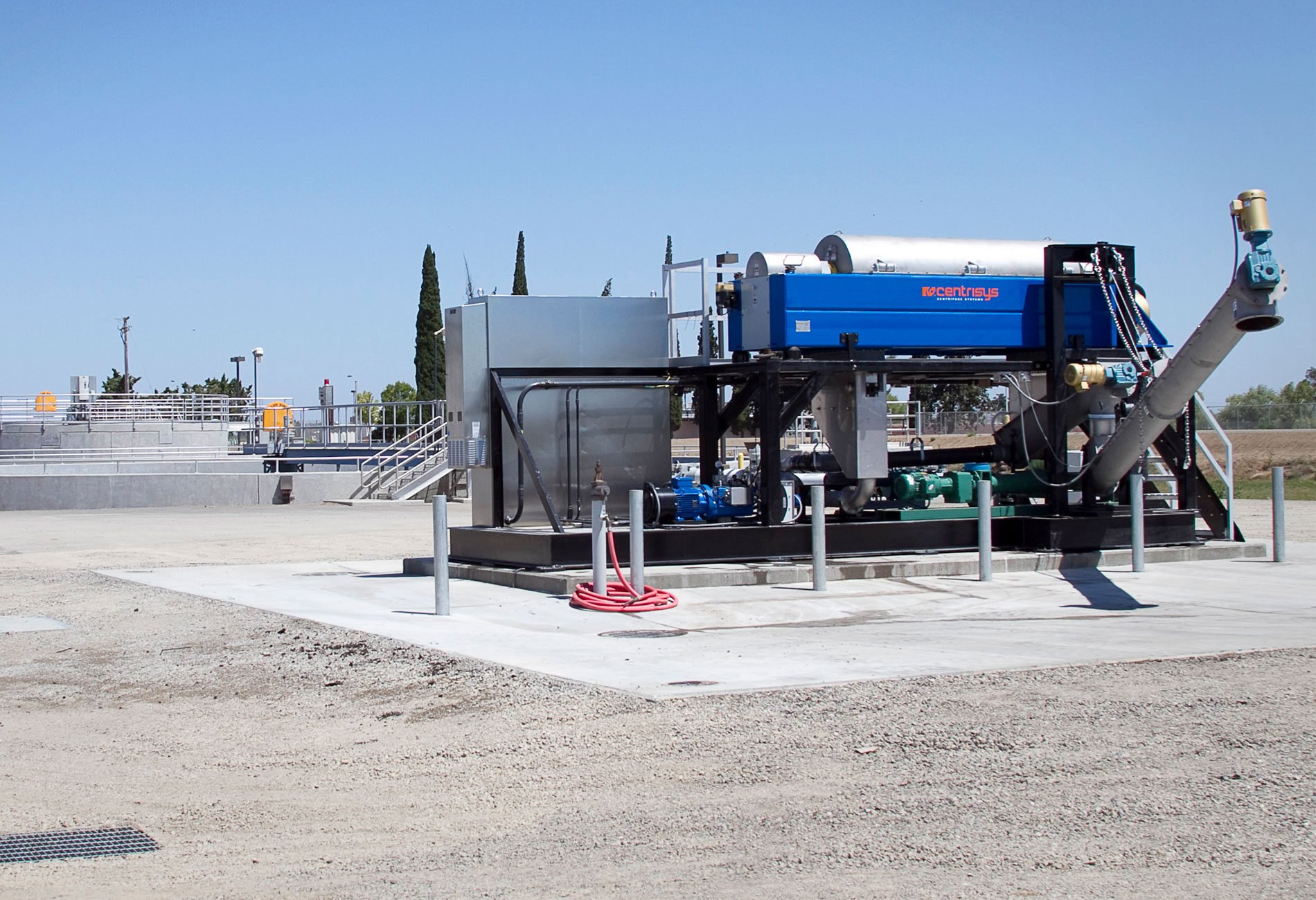
The Importance of Centrifuge Servicing
A rented centrifuge that’s poorly maintained is worth less than nothing. Downtime in continuous industrial processes is expensive: production stops, labour costs continue, downstream processes back up. Centrifuge Servicing is what separates a rental arrangement that delivers genuine operational reliability from one that generates frustration.
Preventive maintenance scheduled bearing inspections, seal checks, and balance verification catch problems before they become failures. Performance optimization keeps separation efficiency where it needs to be, which matters in any process where product quality depends on precise separation outcomes. And when something does go wrong, a fast breakdown response is the difference between a minor interruption and a significant production loss.
Good Centrifuge Servicing also maintains safe operating conditions. Industrial centrifuges operate at high speed with significant forces involved. Equipment that’s not properly maintained represents a genuine safety risk. For businesses in regulated sectors, documented servicing records are part of the compliance picture, not optional.
Industries That Benefit Most from Centrifuge Rentals
Wastewater treatment is probably the greatest single application. Sludge dewatering demand fluctuates, treatment contracts have defined terms, and municipalities often prefer to rent rather than capitalize on equipment for specific projects. Food and beverage processors use centrifuge rentals heavily for seasonal campaigns and product trials. Chemical manufacturers turn to rental during plant upgrades when permanent equipment is offline. Pharmaceutical producers use it for campaign-based separation work that doesn’t justify permanent installation. And in oil and gas, where drilling activity is inherently mobile and temporary, rental centrifuges for mud management and produced water treatment are essentially standard practice.
Conclusion
Industrial Centrifuge Rental works because it matches the way industrial operations actually function with variable demand, defined project timelines, and ongoing pressure to manage capital efficiently. The flexibility to scale, deploy quickly, and access current equipment without ownership’s long-term commitments is a genuine operational advantage. But the real reliability comes from Centrifuge Servicing that keeps rental units performing consistently throughout the engagement. Together, they give industrial operators a practical, cost-effective path to separation capacity that moves with their business rather than constraining it.