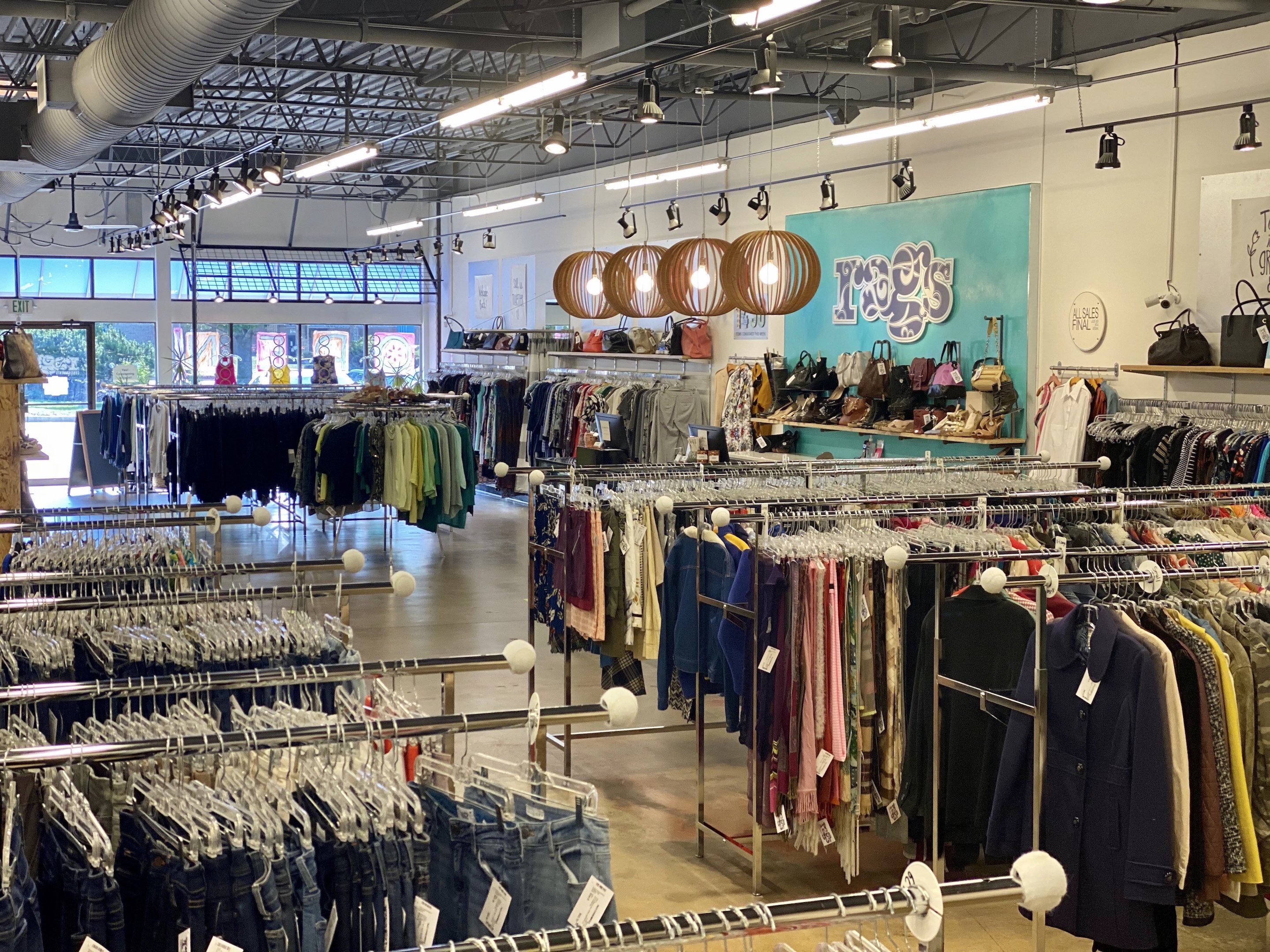
Dressing well has quietly gotten more expensive. New designer pieces cost what they always did. But even mid-range brands have crept upward in price, and fast fashion delivers less and less for the money both in terms of quality and in terms of how long anything actually lasts. It’s not surprising that more people are taking a serious look at second-hand designer clothes. Not as a compromise, but as a straightforward way to access better quality without paying full retail. The value is obvious once you start looking. So is the sustainability angle. And the style, frankly, is often better.
Why Are Second-Hand Designer Clothes Worth Considering?
The headline benefit is access. Second Hand Designer Clothes put brands and pieces within reach that would otherwise sit well outside most budgets. A coat that retailed for several hundred pounds new might surface at a fraction of that price pre-owned, and depending on how carefully it’s been kept, it might be almost indistinguishable from new.
But it’s not just the savings. It’s what you actually get for the money. Designer garments are built differently. The fabrics are higher quality, the stitching is tighter, and the finishing is more careful. Buy a pre-owned designer piece for the same money as a new mid-range item, and you’re often walking away with something noticeably better and something that’ll outlast several rounds of cheaper alternatives.
The maths compounds quickly. Replacing fast fashion clothing every few months costs more than it looks. Second-hand designer clothes break that cycle by giving you pieces that were built to last years, not seasons.
Style and Quality Without the High Price Tag
Designer labels tend to build garments around silhouettes and materials that hold up over time. The styles that resurface secondhand are usually the ones that worked, the cuts that were done properly, and the pieces people kept rather than throwing away. That’s not a coincidence. Quality tends to survive.
A well-cut coat or a properly made jacket doesn’t stop looking good because a season has changed. Pre-owned designer pieces carry that quality by default. And because they’re often from slightly earlier seasons, they sit outside whatever’s trending right now, which, depending on your point of view, is either a limitation or a significant advantage.
For anyone building a wardrobe rather than keeping pace with fast fashion, the answer is pretty obvious. Timeless pieces in good condition beat disposable trend items every time.
The Sustainability Advantage of Buying Pre-Owned Fashion
Every garment sold secondhand is a garment that doesn’t require new resources to produce and doesn’t head straight to landfill. That’s a direct environmental benefit, not a theoretical one.
Fast fashion’s footprint is considerable water usage, synthetic materials, and the sheer volume of unsold and discarded clothing that gets produced and thrown away each year. Buying pre-owned doesn’t fix the industry. But it does mean your own purchasing sits outside that cycle, which matters more to people now than it did even five years ago.
Second-hand shopping has genuinely gone mainstream. The stigma that used to attach to it has largely disappeared. For a growing number of shoppers, younger ones especially, buying secondhand is a preference, not a compromise.

Finding Great Deals at Good Thrift Stores In Denver
Good Thrift Stores In Denver have built a genuine reputation among shoppers who know what they’re looking for. The city’s secondhand scene covers a wide range of charity stores, consignment shops, and specialist vintage dealers, and what turns up varies, which is exactly what makes it worth the time.
Treasures Thriftique, run by the Help & Hope Center, is a standout example. Past stock has included shoes from Cole Haan and Vince Camuto, handbags from Louis Vuitton, Kate Spade, and Gucci, and clothing from brands like J.Crew and Anthropologie. Everything’s priced at a fraction of retail, and new items arrive daily, so the rails look genuinely different each time you visit.
Finding a well-kept designer piece on a thrift store rail carries a satisfaction that online shopping doesn’t quite replicate. You spotted it, assessed it, and made the call. Good thrift stores in Denver attract people who take that process seriously, and the quality of what comes through reflects it. And every purchase supports the Help & Hope Center’s work providing essential services to local families, which makes the find feel even better.
Tips for Shopping Second-Hand Designer Clothes
Check the condition before committing. Look carefully at seams, zips, collars, and cuffs, since those areas show wear first. Examine the fabric quality directly; good materials tend to be obvious when you handle them. Verify labels on brands known to be frequently counterfeited. And be patient, the best finds rarely appear on a first visit. Visit regularly, and focus on timeless pieces over trend-led ones. A classic cut in excellent condition will outlast and outperform a dozen cheaper items from any fast fashion retailer.
Conclusion
Second-hand designer clothes deliver on affordability, quality, and sustainability in a way that’s genuinely hard to beat. You get access to better construction and materials at prices that make sense, without the environmental cost of buying new. Good thrift stores in Denver, particularly Treasures Thriftique, give shoppers a real chance to find standout pieces that retail simply can’t match. For anyone who wants to dress well without overspending, secondhand isn’t the backup plan anymore. It’s the smart first choice.