Introduction to Odoo Dashboards and Their Business Role
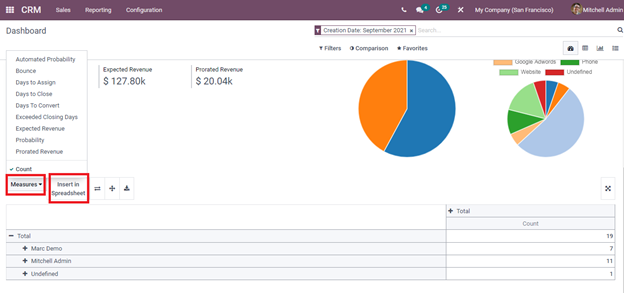
Modern businesses rely heavily on data-driven decision-making, and this is where Odoo dashboards play a central role. Odoo dashboards provide a visual representation of key business data in real time, helping organizations monitor performance across departments. These dashboards are built within the Odoo ERP system and are designed to simplify complex data into easy-to-understand charts, graphs, and KPIs.
The Odoo dashboard features are especially important because they allow finance teams, sales departments, and operational managers to track business performance without manually analyzing large datasets. By centralizing information, businesses can make faster and more accurate decisions that directly impact growth and efficiency.
Finance Management with Odoo Dashboards
One of the strongest use cases of Odoo dashboards is in financial management. Finance teams need constant visibility into cash flow, expenses, revenue, and profit margins. Odoo dashboards provide real-time financial summaries that help accountants and finance managers stay updated without generating manual reports.
The Odoo dashboard features in finance include graphical income statements, expense tracking, and budget analysis tools. These features allow financial professionals to identify trends in revenue and spending patterns quickly. Instead of relying on static reports, decision-makers can use dynamic dashboards to adjust financial strategies instantly.
Additionally, financial dashboards help in monitoring overdue invoices and payment statuses. This ensures better cash flow management and reduces financial risks for the business.
Sales Performance Tracking Using Odoo Dashboards
Sales teams benefit significantly from Odoo dashboards because they provide a clear overview of sales activities, pipeline progress, and revenue generation. Managers can track how leads are moving through the sales funnel and identify which opportunities are most likely to convert into customers.
The Odoo dashboard features for sales include visual charts for monthly sales performance, top-selling products, and customer acquisition trends. These insights help sales managers set realistic targets and improve team performance.
Another important advantage is the ability to monitor individual sales representative performance. This helps in identifying high-performing team members as well as areas where additional training may be required. By using dashboards effectively, businesses can optimize their sales strategy and improve conversion rates.
Operational Efficiency Through Odoo Dashboards
Operational management requires constant monitoring of internal processes such as inventory, procurement, and workflow efficiency. Odoo dashboards help operational managers gain a complete overview of business activities in real time.
The Odoo dashboard features support operational efficiency by displaying inventory levels, stock movement, order fulfillment status, and supply chain updates. This helps businesses avoid stock shortages and overstocking issues.
In addition, operational dashboards assist in tracking production timelines and workflow bottlenecks. Managers can quickly identify delays in processes and take corrective actions before they impact overall productivity. This improves coordination between departments and ensures smoother business operations.
Real-Time Decision Making with Odoo Dashboards
One of the biggest advantages of Odoo dashboards is real-time data accessibility. Instead of waiting for end-of-month reports, managers can view live business performance metrics instantly. This allows organizations to react quickly to market changes and internal challenges.
The Odoo dashboard features enable real-time monitoring of KPIs across finance, sales, and operations. This unified view ensures that all departments are aligned with business goals. Decision-makers can compare performance metrics and adjust strategies based on current data rather than outdated reports.
Real-time dashboards also improve transparency within the organization. Teams can clearly see how their performance contributes to overall business success, which increases accountability and motivation.
Customization and Flexibility in Odoo Dashboards
Another powerful aspect of Odoo dashboards is their customization capability. Businesses can design dashboards based on their specific needs, selecting only the metrics that matter most to them. This flexibility ensures that users are not overwhelmed with unnecessary information.
The Odoo dashboard features allow users to customize layouts, add widgets, and configure KPIs according to department requirements. Finance teams may focus on revenue and expenses, while sales teams may prioritize leads and conversions. Operational teams, on the other hand, may focus on inventory and workflow metrics.
This adaptability makes Odoo dashboards suitable for businesses of all sizes and industries. It ensures that every department gets a tailored view of data that directly supports their objectives.
Conclusion
Odoo dashboards are a powerful tool for modern business management, offering real-time insights across finance, sales, and operations. With advanced Odoo dashboard features, organizations can simplify complex data, improve decision-making, and enhance overall performance.
From financial tracking to sales monitoring and operational efficiency, dashboards provide a centralized view of business health. Their flexibility and real-time capabilities make them essential for companies aiming to improve productivity and maintain a competitive edge in today’s data-driven environment.