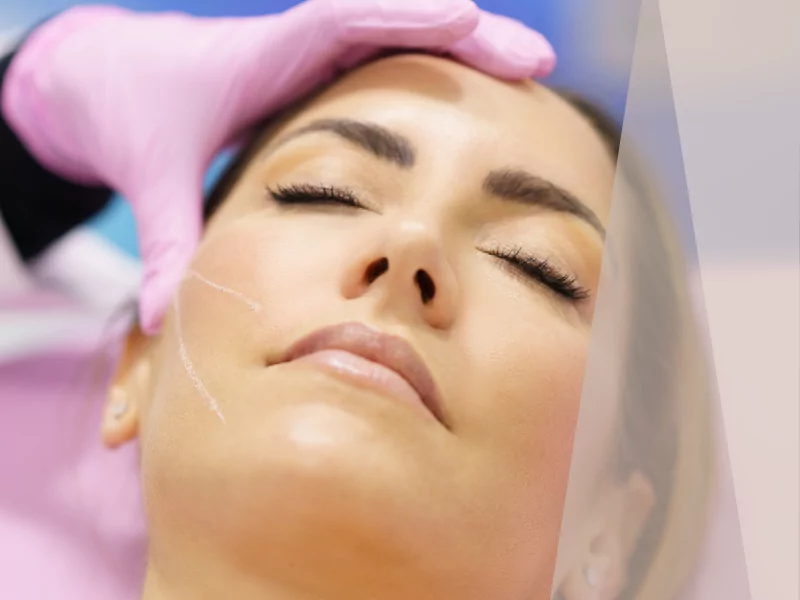
As the face ages, one of the most common changes people notice is a gradual loss of firmness and definition. The cheeks may begin to descend slightly, the jawline can look softer, and the brows may sit lower than they once did. While these changes are completely natural, they can make the face appear more tired, heavy, or less defined than before. For patients who want visible lifting and contour improvement without committing to surgery, thread lift treatments have become an increasingly popular option.
This is why Thread Lift in London continues to attract people looking for a minimally invasive way to refresh the face. A thread lift is designed to gently reposition and support soft tissues while also encouraging collagen production, making it an appealing choice for patients who want subtle lifting with relatively little downtime. In particular, PDO Thread Lift London treatments are often chosen for areas such as the jawline, cheeks, and brows, where mild to moderate sagging can have a noticeable effect on overall facial balance.
At a trusted Thread Lift Clinic in London, treatment planning is not just about placing threads—it is about understanding how facial structure, skin quality, and age-related tissue descent interact. A successful thread lift should never look obvious or overdone. Instead, it should create a fresher, more supported version of the face while preserving natural movement and expression. At bodyvie clinic, thread lift treatments are approached with this balance in mind, focusing on careful patient selection, realistic expectations, and elegant results that suit the individual.
One of the most common questions patients ask is which areas can actually be treated with a thread lift. While the jawline, cheeks, and brows are among the most popular targets, thread lifting can also be used in other carefully selected areas depending on the patient’s concerns. In this guide, we’ll explain how thread lifts work, what areas can be treated, who may be a good candidate, what to expect from the procedure, and how long results typically last.
What Is a Thread Lift?
A thread lift is a minimally invasive aesthetic procedure designed to lift and support sagging facial tissue using specially designed absorbable threads. These threads are placed beneath the skin to create gentle repositioning of soft tissue, while also stimulating collagen production as the threads gradually dissolve over time.
In many modern treatments, the threads used are made from polydioxanone, which is why the term PDO Thread Lift London is commonly used. PDO threads are widely used in aesthetic medicine because they are absorbable and can be placed strategically to provide support in areas of mild to moderate facial laxity.
A thread lift is often considered by patients who want a more visible lifting effect than skincare or standard facials can offer, but who are not ready for surgical lifting. It occupies a middle ground between non-invasive treatments and surgery, making it particularly attractive to people who want a fresher, more defined look without the recovery associated with a facelift.
How Does a Thread Lift Work?
The lifting effect of a thread lift comes from two main mechanisms.
Immediate Tissue Support
Once the threads are placed beneath the skin, they can be used to gently reposition tissue in the desired direction. This creates an immediate lifting and supporting effect in areas that have started to descend.
Collagen Stimulation
Over time, the presence of the threads stimulates the body’s natural collagen response. Collagen helps maintain skin firmness and structure, so this additional collagen production can support the skin and contribute to a firmer appearance even as the threads dissolve.
Because of this dual action, Thread Lift in London is often chosen not only for lifting but also for improving skin quality and tissue support over time.
What Areas Can Be Treated with a Thread Lift?
One of the strengths of thread lifting is that it can be tailored to different parts of the face depending on where support, lift, or contour improvement is needed. The most commonly treated areas include the jawline, cheeks, and brows, but there are additional possibilities in selected patients.
Jawline Thread Lift
The jawline is one of the most popular areas for Thread Lift in London because even mild softening in this area can change the overall appearance of the face. As skin and soft tissues begin to lose support, the once-sharp jawline can start to blur, and early jowling may become more noticeable.
How a Thread Lift Helps the Jawline
Threads can be placed strategically to lift and support the tissues along the lower face, helping to improve definition and create a cleaner jawline contour. This may be especially useful for patients who feel their lower face looks heavier than it used to, but who do not yet need surgery.
Who May Benefit
A jawline thread lift may suit patients with mild to moderate tissue descent in the lower face, early jowling, or a less defined jawline caused by age-related laxity rather than significant excess fat or very loose skin.
Cheek Thread Lift
The cheeks are central to facial structure and youthfulness. As cheek tissues descend with age, the face can begin to look flatter, heavier, or more tired. This can also contribute to deepening lines around the nose and mouth, as the mid-face loses support.
How a Thread Lift Helps the Cheeks
Threads can lift the cheek tissues upward and provide support to the mid-face. This may restore a fresher contour, improve facial proportions, and reduce the downward pull that contributes to heaviness in the lower face.
Why the Cheeks Matter
Lifting the cheeks can have a knock-on effect on the overall facial silhouette. In some patients, supporting the mid-face also improves the appearance of the lower face because the tissues are being repositioned in a more youthful direction.
For patients exploring PDO Thread Lift London, the cheeks are often one of the most rewarding areas because even a subtle lift can make the face appear brighter and better supported.
Brow Thread Lift
The brows have a major influence on facial expression. When the outer brow begins to drop, it can create heaviness over the eyes and contribute to a tired or slightly stern appearance. While thread lifts cannot replace a surgical brow lift in cases of significant brow descent, they may help selected patients who want a subtle elevation.
How a Thread Lift Helps the Brows
Threads can be used to lift the outer brow area gently, helping to open up the upper face and create a more refreshed expression. This can be especially appealing for patients who want a non-surgical treatment that improves heaviness around the eyes.
Who May Benefit
Patients with mild brow descent or those who feel their brows have started to sit lower than they used to may benefit from a brow thread lift, provided the skin laxity is not too advanced.
At an experienced Thread Lift Clinic in London, the brow area should be assessed carefully because the relationship between the brows, forehead, and upper eyelids can be complex.
Can Other Areas Be Treated with a Thread Lift?
Yes. In addition to the jawline, cheeks, and brows, thread lifts may also be considered in other areas depending on the patient’s anatomy and concerns.
Lower Face and Jowl Area
Some patients want to target heaviness around the marionette line or early jowls. Thread placement in the lower face can sometimes help create a smoother and more supported contour.
Neck in Selected Cases
In carefully chosen patients, thread lifting may be used to provide subtle support in the upper neck area, although results depend heavily on skin quality and the degree of laxity present.
Nasolabial Area Indirectly
Thread lifts are not usually used to directly “fill” the nasolabial folds, but lifting the cheek tissues may indirectly soften the heaviness contributing to those folds.
Overall Facial Support
In some cases, a combination of thread placement patterns can be used to support several areas of the face together, creating a more balanced rejuvenation effect rather than focusing on one isolated zone.
Who Is a Good Candidate for Thread Lift in London?
Thread Lift in London is generally best suited to patients with mild to moderate facial laxity who want visible improvement without surgery. It is not a replacement for a facelift in patients with advanced sagging, but it can be highly effective for the right person.
You may be a good candidate if you:
- Have mild to moderate sagging in the jawline, cheeks, or brows
- Want a lifting effect without surgery
- Are looking for a treatment with relatively limited downtime
- Want natural-looking improvement rather than dramatic change
- Are in good general health and have realistic expectations
- Understand that results are not permanent and may not match surgical lifting
Patients with severe skin laxity, heavy jowling, or very significant tissue descent may be better suited to surgery. Honest assessment at a reputable Thread Lift Clinic in London is essential to determine whether thread lifting is likely to meet your goals.
What Happens During a PDO Thread Lift London Procedure?
The procedure itself is usually performed in clinic and does not require the same level of downtime as surgery.
Consultation and Treatment Planning
Before treatment, the practitioner will assess facial structure, skin laxity, the areas to be treated, and whether thread lifting is appropriate for your goals. This is where the treatment plan is customised to your face.
Local Anaesthetic
The treatment area is numbed with local anaesthetic to keep the procedure comfortable.
Thread Placement
Using fine needles or cannulas, the practitioner places the threads beneath the skin in carefully selected positions. The threads are then adjusted to lift and support the tissues in the desired direction.
Immediate Results
Some improvement is often visible straight away, although final results settle as swelling reduces and the tissues adjust.
Aftercare
Patients receive aftercare guidance to help protect the result while the threads settle into place.
What Is Recovery Like After a Thread Lift?
One reason patients choose PDO Thread Lift London is that recovery is generally quicker and easier than recovery from surgery. However, it is still normal to experience some temporary effects after treatment.
Mild Swelling or Bruising
There may be some swelling, tenderness, bruising, or tightness in the treated area for a few days.
Temporary Sensations
Some patients notice a feeling of tightness or awareness when moving their face at first, but this usually settles as the tissues adapt.
Limited Downtime
Many people are able to return to normal activities relatively quickly, although strenuous exercise and certain facial movements may need to be avoided for a short period.
Gradual Refinement
The final result becomes more refined as any swelling settles and the threads integrate into the tissues.
How Long Do Thread Lift Results Last?
Thread lift results are not permanent, but they can be long enough to appeal to patients who want a less invasive option than surgery. The exact duration varies depending on the type of threads used, the treatment area, skin quality, age, and how the face continues to age.
In general, patients often enjoy visible lifting and support for many months, with collagen stimulation continuing to contribute to the result over time. Some people choose maintenance treatments in the future to preserve the effect.
A good Thread Lift Clinic in London will explain clearly what kind of longevity you can realistically expect based on your anatomy and the areas being treated.
Thread Lift vs Surgical Lift
A thread lift can create noticeable improvement, but it is important to understand its limits compared with surgery.
Thread Lift Advantages
- Minimally invasive
- No large incisions
- Shorter downtime
- Suitable for early to moderate laxity
- Can create subtle, natural-looking lifting
Surgical Lift Advantages
- Stronger and longer-lasting lift
- Better suited to significant sagging or excess skin
- More dramatic structural correction when needed
For many patients, the right choice depends on how advanced the ageing changes are and how much lifting they hope to achieve.
Why Patients Consider Thread Lift at bodyvie clinic
Patients exploring Thread Lift in London at bodyvie clinic are often looking for a treatment that sits between skincare and surgery—a way to refresh the face, improve contour, and support the tissues without a dramatic or obvious change. Thread lifting can be a useful option for patients who want subtle enhancement of the jawline, cheeks, or brows, provided they are suitable candidates and understand what the treatment can realistically achieve.
At bodyvie clinic, thread lift treatment planning is guided by the principles of facial balance, natural movement, and personalised care. Rather than using a generic thread placement pattern, the approach should reflect the patient’s facial anatomy, areas of laxity, and overall aesthetic goals. This helps create a result that feels elegant and supportive rather than artificial.
Conclusion
For patients who want a non-surgical way to improve facial definition and mild sagging, Thread Lift in London can be a highly appealing option. By gently lifting and supporting the tissues while also stimulating collagen, a thread lift can help refresh areas such as the jawline, cheeks, and brows with relatively little downtime. PDO Thread Lift London treatments are especially popular for patients who want subtle, natural-looking rejuvenation without committing to surgery.
The key to a good result lies in choosing the right areas to treat, selecting the right patient, and planning the treatment carefully. A consultation at a trusted Thread Lift Clinic in London is the best way to understand whether thread lifting is likely to help your concerns and what kind of outcome you can realistically expect. At bodyvie clinic, thread lift treatment is approached with a focus on natural facial harmony, personalised assessment, and elegant results that enhance rather than overpower the face.
FAQs
What is a thread lift?
A thread lift is a minimally invasive treatment that uses absorbable threads placed beneath the skin to lift, support, and rejuvenate areas of the face affected by mild to moderate sagging.
What is PDO Thread Lift London?
PDO thread lift refers to a thread lift treatment that uses polydioxanone threads, which are absorbable threads commonly used to provide tissue support and stimulate collagen production.
What areas can be treated with Thread Lift in London?
The most common areas include the jawline, cheeks, brows, lower face, and in selected cases, parts of the neck.
Can a thread lift improve the jawline?
Yes. A thread lift can help improve jawline definition by lifting and supporting sagging lower-face tissue in suitable patients.
Can thread lifts lift the cheeks?
Yes. Cheek thread lifts can help elevate descended mid-face tissue, improve contour, and create a fresher, more supported appearance.
Can a thread lift lift the brows?
In selected patients with mild brow descent, a brow thread lift may create a subtle elevation and help open up the upper face.
How long do thread lift results last?
Results vary depending on the patient, treatment area, and thread type, but thread lifts generally provide temporary lifting with collagen stimulation that can support the result over time.
Is thread lift better than surgery?
A thread lift is less invasive and has less downtime, but it cannot match the lifting power of surgery in patients with significant skin laxity or advanced ageing changes.
What is recovery like after a thread lift?
Most patients experience mild swelling, bruising, tenderness, or tightness for a few days, with a relatively quick return to normal activities compared with surgery.
Why choose bodyvie clinic for a thread lift consultation?
A consultation at bodyvie clinic offers personalised assessment of your facial structure, areas of laxity, and treatment goals so that thread lift treatment can be planned in a natural and balanced way.